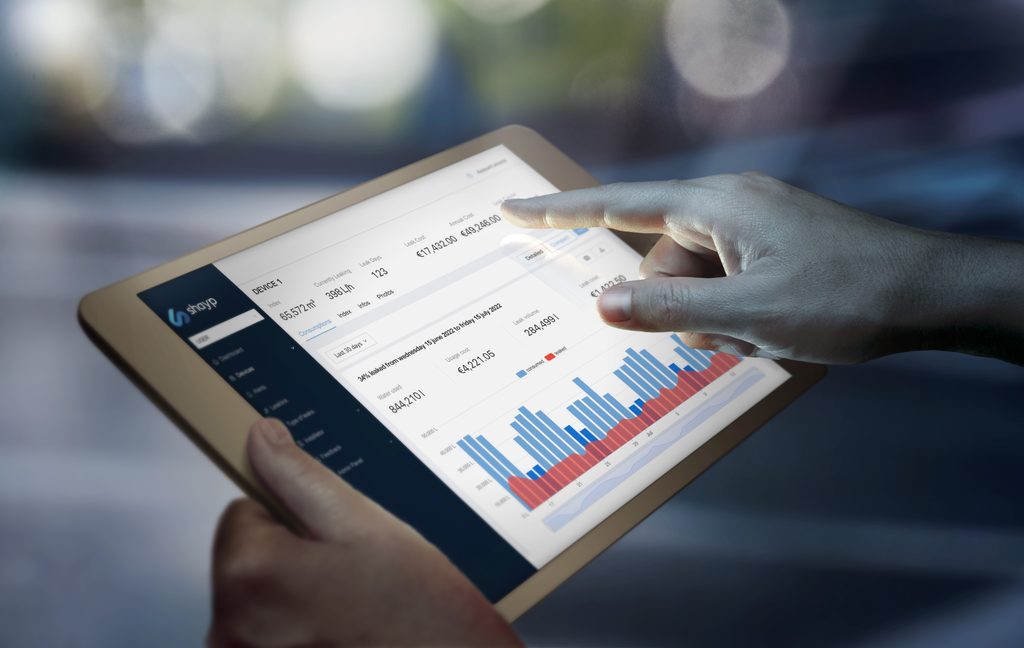
Shayp started with a simple job: detect leaks in buildings and use AI to give portfolio managers a single, real-time view of water consumption across every site they own. For real estate owners and asset managers with dozens or hundreds of buildings, that alone already changes how water gets managed. Instead of monthly invoices arriving with no way to explain a spike, a leak gets fl agged the moment it starts, wherever it is in the portfolio.
But a few years and thousands of monitored buildings later, a pattern kept showing up in the data: public buildings, schools, hospitals, and community centres were consistently among the highest-risk properties for undetected leaks. Unlike a commercial landlord with a dedicated facilities budget, a school rarely has the means to invest in monitoring technology on its own, even though it is exactly the kind of building losing water for days without anyone noticing. It was not that public buildings didn’t want to manage water better. They simply weren’t equipped to.
At the same time, a very different conversation was gaining momentum: the growing water footprint of data centres and large corporations, and the pressure on them to show credible, local action rather than distant offsets. What these companies had that public buildings lacked was economic capacity
Shayp 4IMPACT: turning that gap into a model
That is the thinking behind Shayp 4IMPACT: corporate sponsors fund the technology in public buildings, and in return receive verified, locally-rooted water savings they can report against their own sustainability commitments.
Simply put: the public building gets free, real-time water monitoring and leak detection, and the sponsor gets a measurable impact in the city where it actually operates, instead of a generic offset. Shayp verifi es the result and reports it to both sides.
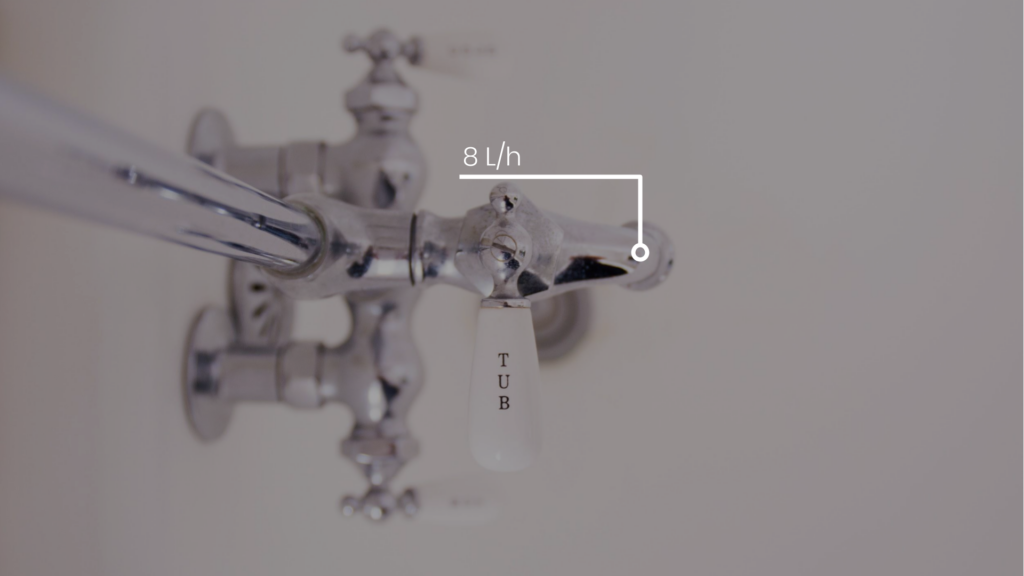
The first corporate contract under this model launched last year, with Brussels as the pioneering city. One school offers a clear illustration of why it matters: a leak started during the Christmas holidays, while the building stood completely empty. With no one on-site to notice a dripping tap or a running toilet, it is exactly the kind of failure that would normally go undetected until the next invoice arrived, weeks later. Because the building’s water use was being monitored continuously, the anomaly was fl agged the moment it happened, and the leak was fi xed before it caused lasting damage or a costly bill.
From Brussels to a European programme
With those early results in Brussels, Shayp 4IMPACT is now expanding. New partnerships are extending the model to public buildings in Mons, Paris and Frankfurt, with more cities and corporate partners in discussion.
What ties every one of these cities together is the same underlying idea: water is a shared resource, drawn from the same catchments and networks by corporations and public buildings alike. When one side draws heavily and the other leaks unchecked, that balance tips. Shayp 4IMPACT is, at its core, a way of restoring it, so the resource stays in balance for everyone drawing on it.
For Brussels, that makes this more than a successful pilot. It is proof that a school with no water budget of its own, and a corporation looking for credible, local climate action, can solve each other’s problem, and that meaningful water stewardship can start with something as unglamorous, and as essential, as fi xing a leak before anyone even knows it is there.
Agnes Aasmaa – Marketing Manager, Shayp