The high temperatures of spring and summer 2026 remind us that climate change is a major upheaval whose impacts are, in reality, poorly quantified. Yet the disruptions it causes are widely documented, as are the consequences for which we must prepare.
There is, however, a weakness: these vulnerabilities are based on the assumption that we have the choice to decide on the trajectory we want to follow. That choice was made with the Paris Agreement in 2015, but deciding is not enough to turn ambition into reality. How can we prepare effectively?
We must act simultaneously on two fronts: reducing the causes of climate change and adapting our territories to its consequences. Both approaches are essential.
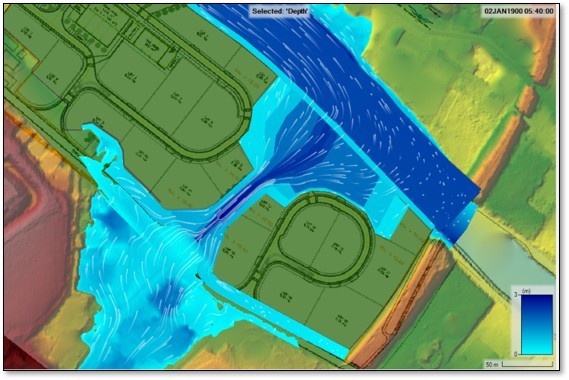
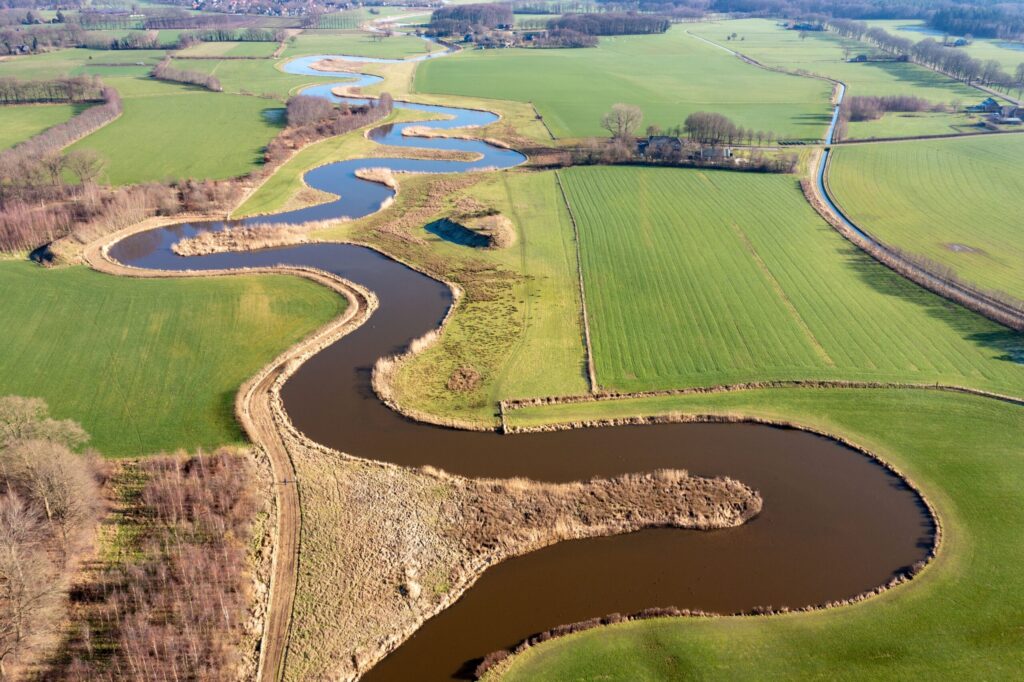
This issue profoundly questions the governance of spatial planning. The objectives set by Europe, Belgium and the Regions require us to rethink the future of our territories. And we are struggling to provide responses that match the scale of the challenges.
We must therefore accelerate our efforts. We must prepare ourselves to face climate events whose intensity and frequency will increase. To do this, it is necessary to work actively on anticipating the effects of climate change and translating them into concrete actions to adapt our practices. The implications are numerous and concern all stakeholders. They relate in particular to spatial planning and land use. They question the organisation of our activities, the way we build our infrastructure and buildings, as well as the economic development practices applied to the territory. It is important to test the resilience of our territories in order to define credible solution frameworks and identify the trade-offs to be made. ARIES Consultants is investing in these questions with a view to proposing a methodological framework adapted to the different territorial scales specific to each stakeholder.
Without a vision, territories come under pressure. They must be able to withstand periods of extreme heat interspersed with torrential rainfall, redevelop biodiversity, build housing, host businesses, adapt agriculture, develop the production of carbon-free energy and increase carbon sinks …
To achieve carbon neutrality by 2050, Wallonia, Flanders and Brussels will have to define their priorities and share the efforts, taking their specific characteristics into account.
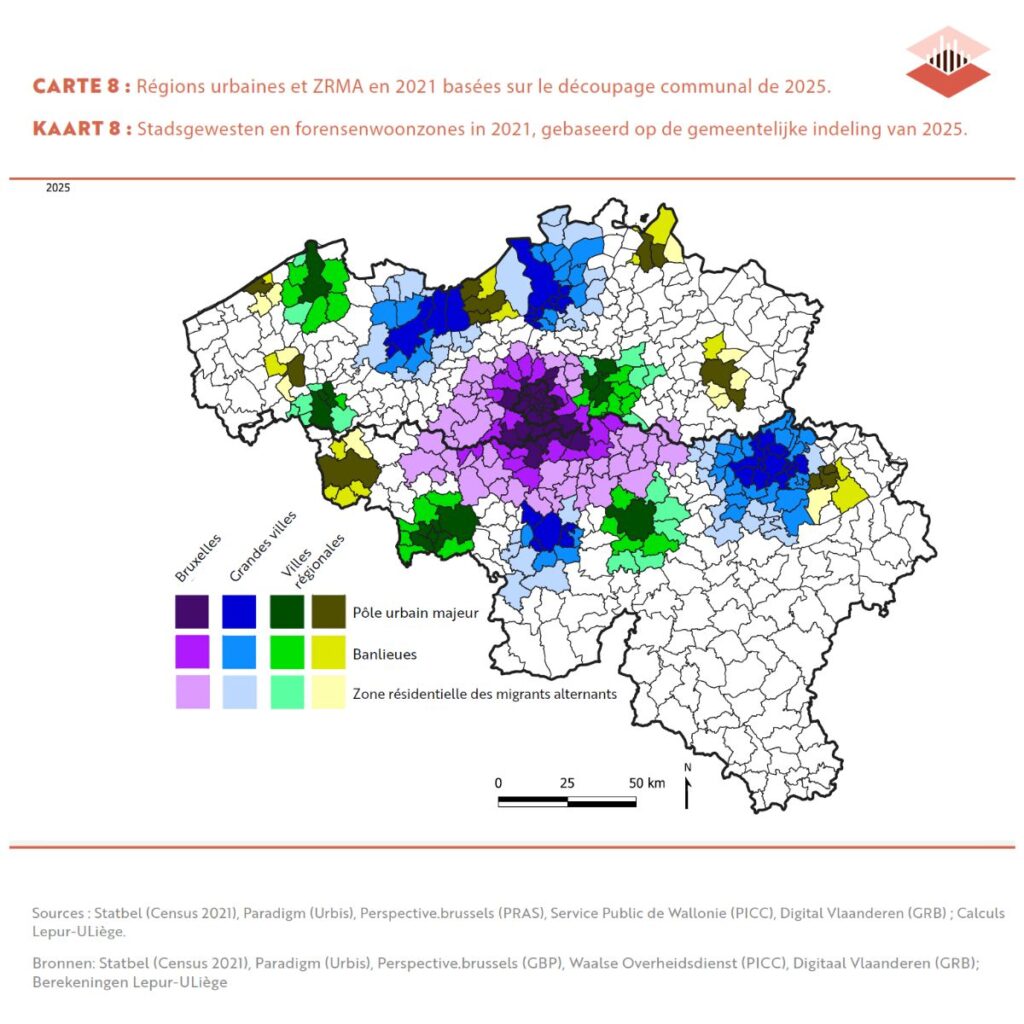
Today, our administrative and political architecture is not organised to achieve this. The federal level is once again becoming strategic for territories and their involvement in the collective effort. What are the priorities for cities? What are the priorities for rural areas? What are the priorities in industrial valleys or port areas, watersheds, forests and natural areas? The administrative division of the territory is inadequate to answer these questions. The case of Brussels — a Region smaller than the city whose name it bears — is emblematic. It is not possible to think seriously about climate-related issues by focusing only on the 19 Brussels municipalities. What will be the role of the Brussels Region in the overall Belgian strategy? What effective levers does it have to make a significant impact? Are they the same as in the other parts of Brabant? Of the country? Answering these questions is becoming essential. It is a major undertaking, and it is urgent to talk about it, because it is probably the first thing that needs to be done.
This article was written by David De Borman from Aries Consultants. Would you like to continue the discussion? Feel free to get in touch with them.