Summer is already here. The holidays are approaching, and yet we still had one story left to tell.
This spring, ecobuild.brussels chose to place low carbon at the heart of its content, events and exchanges with the sector. Articles, site visits, a study trip, a thematic workshop, inspiring projects: over several months, we explored different ways of building, renovating and transforming with a lighter footprint.
So before definitively closing the chapter on spring, here is a look back at some of the ideas, projects and insights that shaped this edition of the Low Carbon Spring.
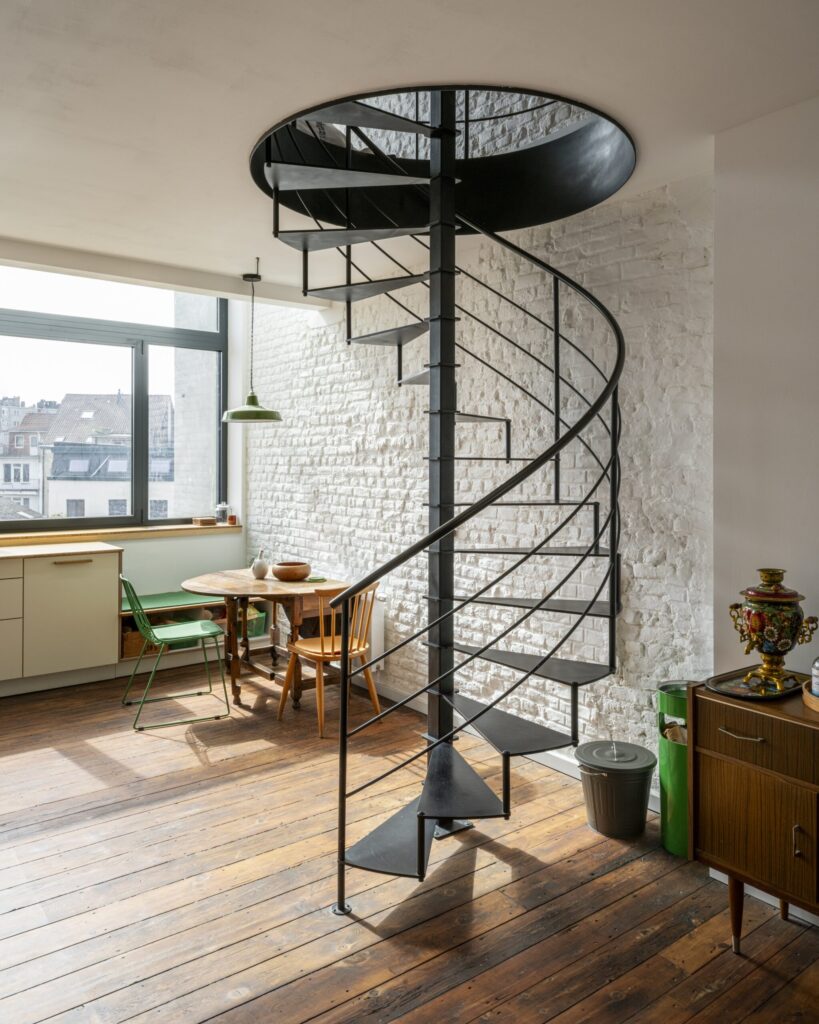
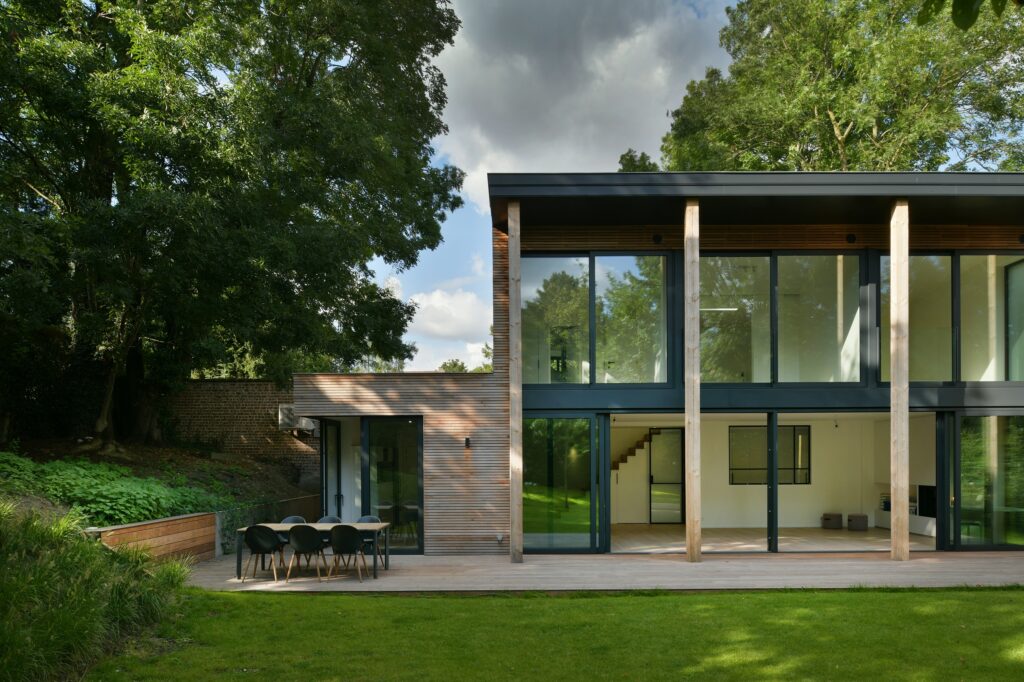
Over the months, the answers emerged in very different forms. Through projects such as Auguste Danse by ACL Architecture or the cohousing project designed by North South Architects, we saw how sobriety, natural materials, reuse and bioclimatic design can be integrated from the very first sketches.
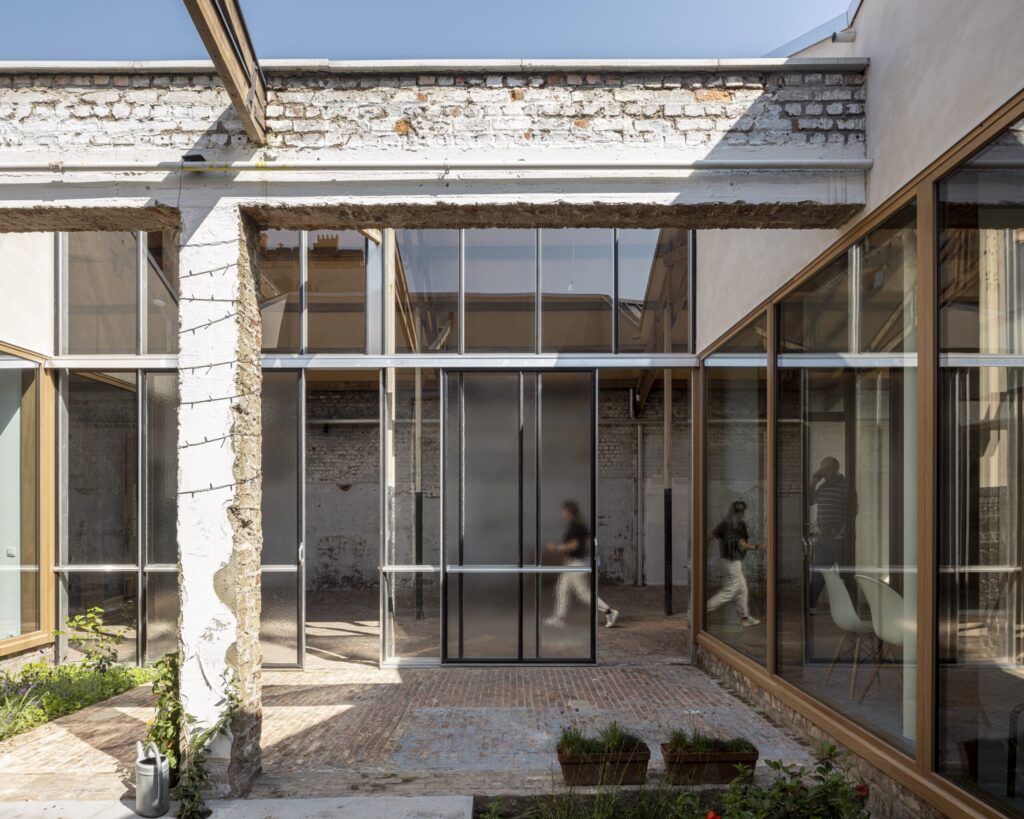
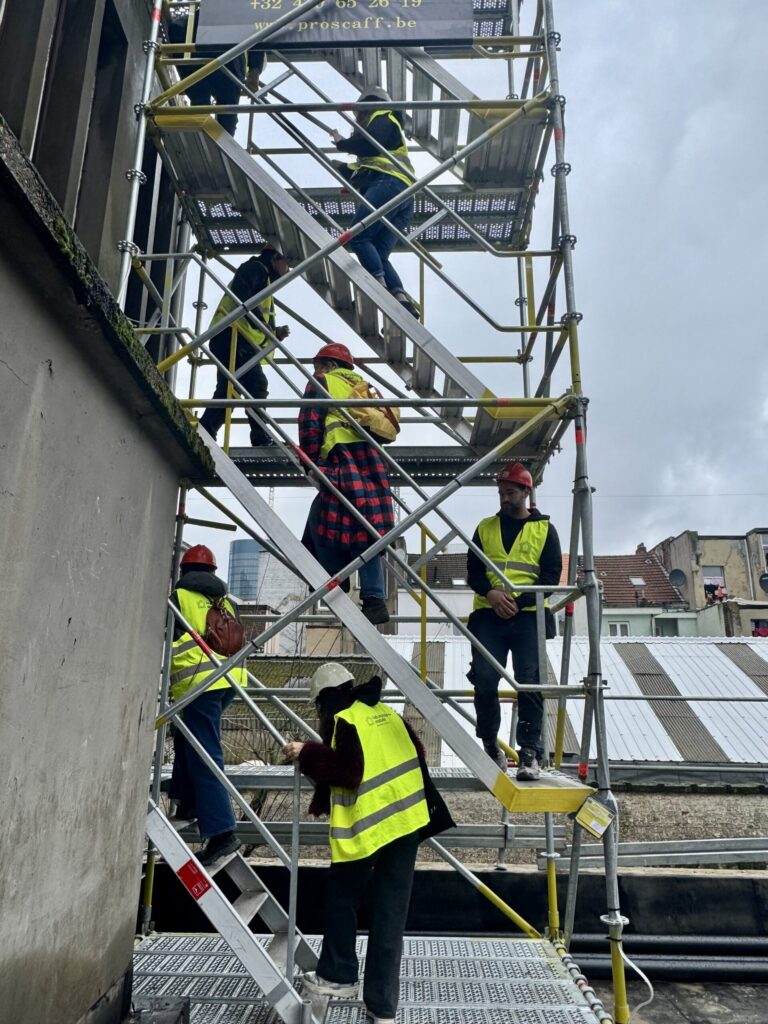
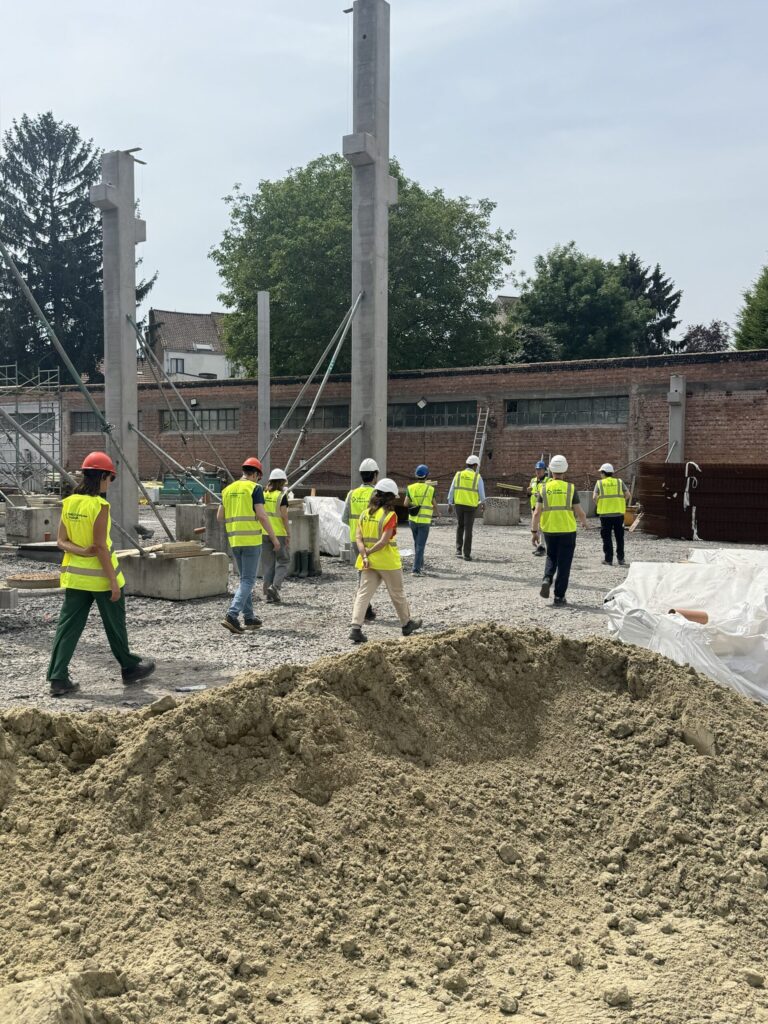
The site visits to the Hip Hop School and the Stevin project also reminded us of an essential reality: building low carbon is not only about choosing the right materials. Preserving what already exists, organising reuse, adapting working methods and ensuring collaboration between all project stakeholders are just as necessary to turn ambitions into concrete results.
This spring was also an opportunity to broaden the reflection. Articles on the decarbonisation of the building stock, the evolution of the EPBD, thermal comfort through the Slow Heat concept, and the role of financing in the ecological transition showed that the carbon question goes far beyond the construction site itself. It touches on how we design, how we use buildings, our economic models and even the way investments are directed.
Circularity and reuse also played an important role, particularly through field feedback, presented projects and, more recently, the reflections shared by FEBRAP on the role of people in reuse value chains. Behind every reused material lies a chain of skills, know-how and cooperation without which the transition would remain theoretical.
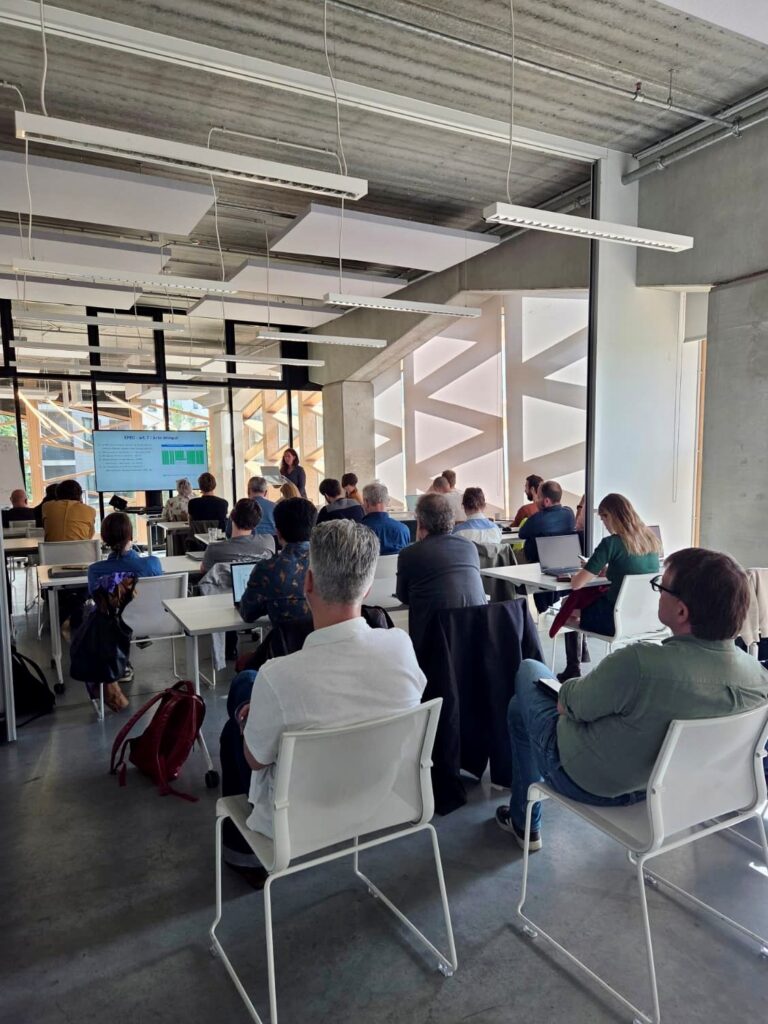
Finally, the exchanges during the workshop Hidden carbon: the real cost of our buildings confirmed a deeper trend: the sector is moving towards a more comprehensive understanding of the environmental impact of buildings, now taking into account the life cycle, embodied carbon and the related assessment tools.
If this Low Carbon Spring leaves us with one conviction, it may be this: the solutions already exist. Renovating rather than demolishing, making better use of what is already there, designing with sobriety, prioritising local resources, considering the life cycle or integrating reuse from the outset are no longer experimental approaches. They are already being put into practice in many Brussels projects.
The challenge, then, is not so much to invent new principles, but to give them more room in the projects of tomorrow.