Diogenes of Sinope (4th c. BC), a Cynic philosopher, lived in an earthenware jar and walked around Athens by day with a lit lantern, proclaiming “I am looking for a man.” He used this provocation to mean that he couldn’t find a true man among his corrupt and superficial contemporaries, berating luxury and a lack of virtue.
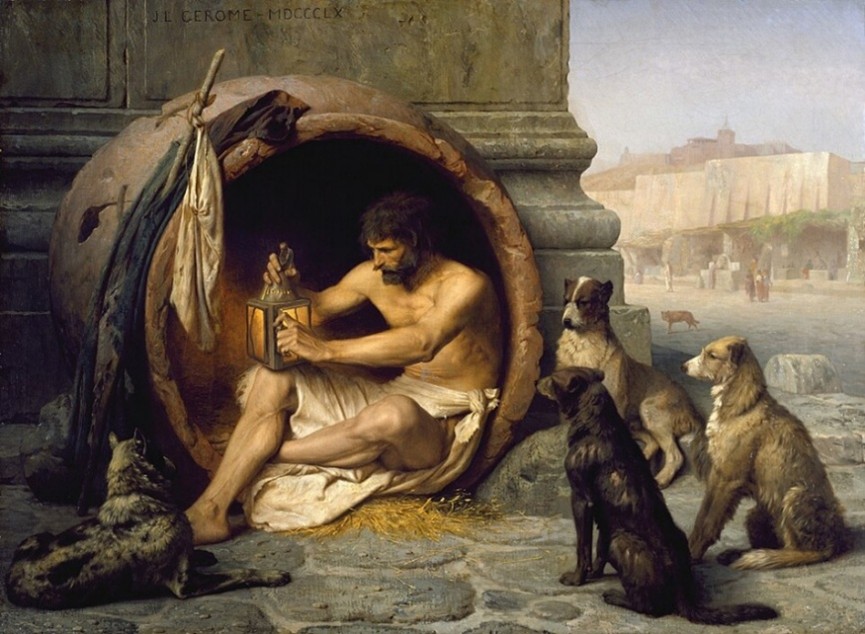
If we all had Diogenes’ wisdom and freedom, the problem of affordable housing would be solved in a matter of hours; even the most indebted public administration would find the funds to provide a jar for everyone. The image of Diogenes is radical and implausible, but it serves as a reminder of the importance of essentiality for the development of the free man.
Paradoxically, it is the growing complexity of construction standards and regulations that makes it difficult to carry out simple projects, such as building a house. All the requirements, although always legitimate when taken in isolation (safety, energy performance, accessibility, sustainability), add up to create a cumbersome, costly and sometimes even contradictory technical and administrative package. This accumulation often transforms what could be a simple, efficient construction into an overloaded, complicated undertaking.
The real challenge is not to systematically aim for maximum performance in every area, but to find a sensible balance: choosing solutions that are technically simple and adapted to real needs. It’s about accepting that “always more” does not necessarily mean “best”. Best is the enemy of good.
Simple construction with the aim of producing affordable housing is not about giving up – it’s a strategy of constructive intelligence and an act of civic responsibility. Of course, there’s no ready-made recipe: Every project presents a new challenge. It’s essential we keep a spirit of due diligence front of mind when making project choices. The challenge is to refocus designs on the essential elements: offering dignified housing that’s accessible to as many people as possible. What’s simple is also easier to maintain, and therefore more sustainable. Simplicity is not about lowering standards, but rather pursuing genuine innovation to serve the common good.
Example of an Inclusio project
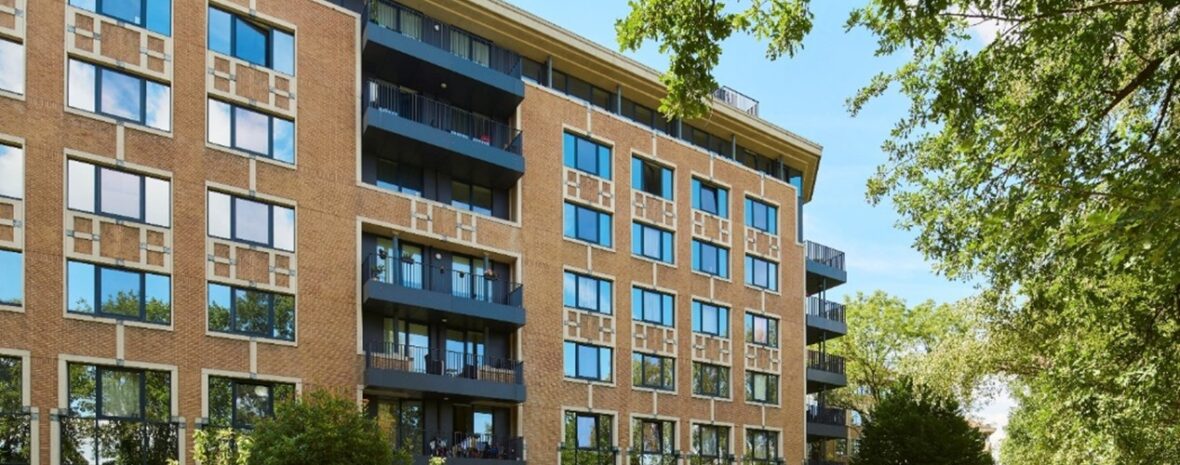
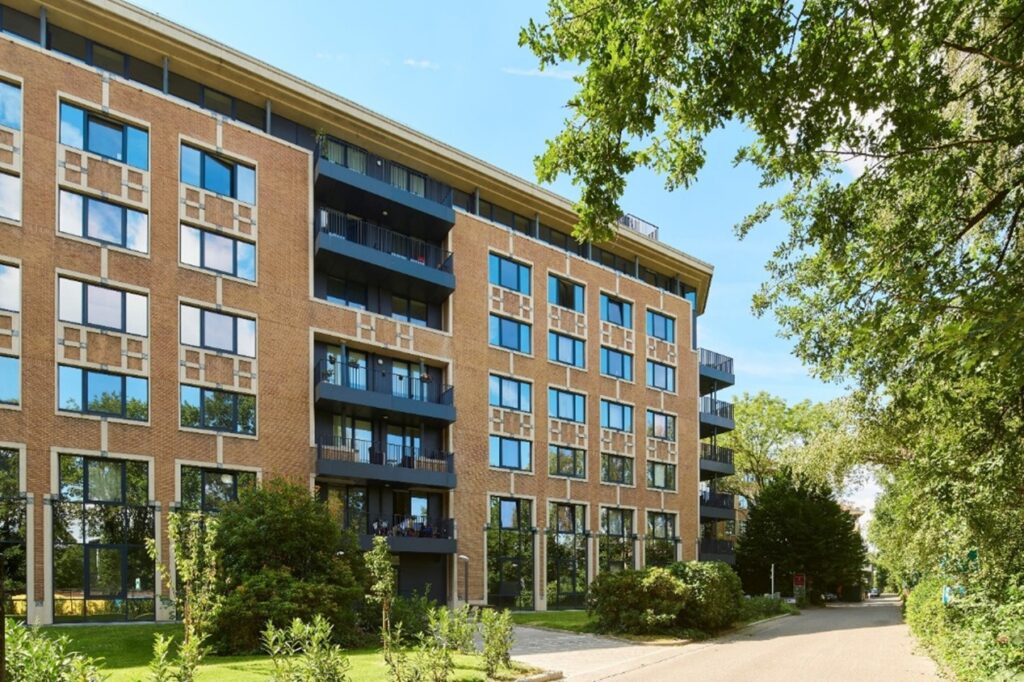
Between the summer of 2018 and the summer of 2021, Inclusio converted an office building located at 71 Avenue des Pléiades in Woluwe-Saint-Lambert into 79 housing units rented to the Woluwe Social Housing Agency.
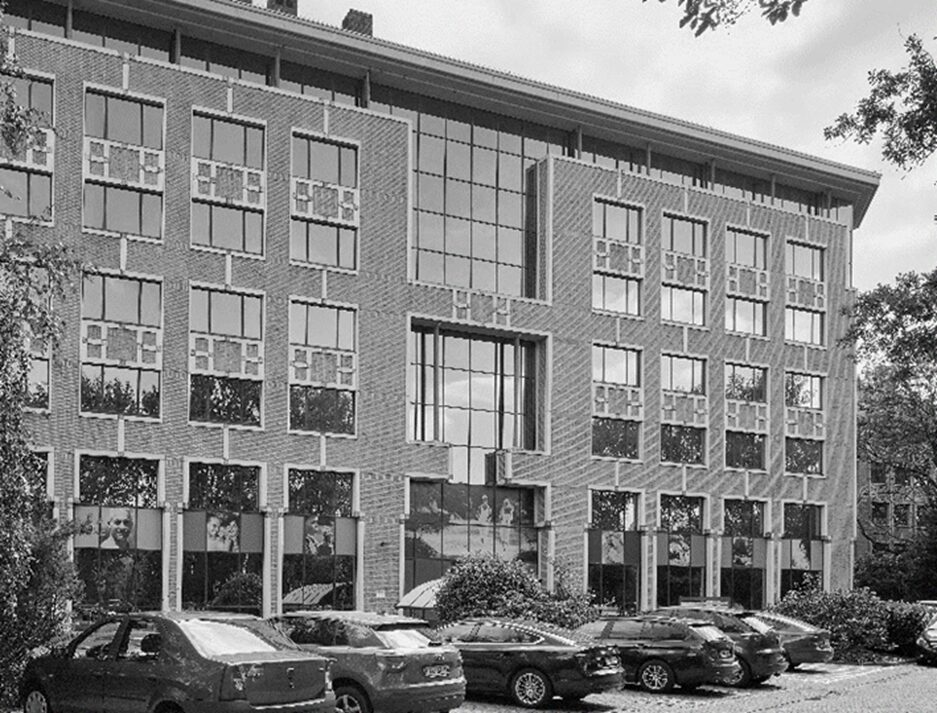
Project architects: M.Marijnissen (1991) – DDS+ (2021)
Rental prices are capped by regional decree. By way of indication, the monthly rent for a two-bedroom apartment amounts to EUR 750/month (2026 price level).
Inclusio does not benefit from any specific public subsidies and must remunerate its investors and creditors under capital market conditions. In order to enable the realization of the project within this constrained economic framework, it was essential to focus on what is strictly necessary, eliminate non-essential elements, preserve existing functional components, and avoid any demolition that was not strictly required.
Some examples of measures taken:
- The façades dating from 1991 were retained without adding additional insulation layers. Only the roof received an extra insulation layer. The existing 7 cm thick façade insulation, combined with the preserved double glazing, ensures an energy performance of 100 kWh/m²/year (C+ level).
- Terraces were added only where the so-called “false curtain walls” were located, at the corners and at the main entrance of the building, without having to demolish the prefabricated façades made of “concrete, stone, and brick”.
- Not all apartments are dual-aspect, as the original distribution structure was preserved. A central corridor provides the connection between the two stair-and-elevator cores.
The option of adding additional cores to make all dwellings dual-aspect was studied but ultimately rejected due to an unfavorable cost-benefit ratio. - The steel window frames dating from 1991, fitted with reflective glazing, were retained. Only the central section was replaced to integrate an opening window with clear glazing instead of the existing fixed frame. The new façade highlights the difference in tint between the glazing types.
Article written by Benedetto Calcagno from Inclusio